
A Look at How MEPs Drive Growth, Safeguard Jobs, and Fuel the Next Generation of Advanced Manufacturing
For decades, the nation’s network of Manufacturing Extension Partnerships (MEPs) has served as one of the country’s most effective—and often under-recognized—economic development engines. Created under the U.S. Department of Commerce’s National Institute of Standards and Technology (NIST), MEPs are designed to support small and mid-sized manufacturers through technical assistance, strategic guidance, and hands-on problem-solving. Today, the MEP National Network spans all 50 states and Puerto Rico, delivering practical solutions that help companies stay competitive in an economy where technology, supply chain pressures, and workforce needs are evolving at unprecedented speeds.
At the heart of the MEP model is a simple but powerful idea: smaller manufacturers deserve the same access to expertise, modernization tools, and strategic support that large corporations take for granted. MEP centers embed specialists directly inside production facilities, walking the plant floor, identifying bottlenecks, uncovering inefficiencies, and building improvement roadmaps tailored to each company’s size, sector, and challenges. Rather than offering generic consulting, MEPs work side-by-side with teams—from frontline operators to executive leadership—to implement lasting change.
Their service offerings are extensive. MEPs provide support in lean manufacturing and continuous improvement; workforce development and skills training; robotics and automation integration; quality systems and ISO certifications; strategic planning; cybersecurity and compliance for suppliers, including NIST 800-171 and CMMC readiness; energy efficiency; market diversification; and supply chain risk management. Many also help manufacturers access grants, expand into export markets, and identify emerging opportunities in sectors such as aerospace, automotive, life sciences, and clean energy.
The results speak loudly. According to national reporting, MEP clients generate billions annually in new and retained sales, realize significant cost savings, and invest heavily in new equipment, technology, and workforce training. Just as important, the network helps retain and create tens of thousands of manufacturing jobs each year—critical for rural communities and industrial regions where manufacturing remains a cornerstone of the local economy.
A Closer Look: SCMEP’s Role in South Carolina’s Manufacturing Ecosystem
In South Carolina, the Manufacturing Extension Partnership is known as the South Carolina Manufacturing Extension Partnership (SCMEP)—a central resource for the state’s manufacturing sector, which employs more than 300,000 people and continues to attract major investments in automotive, aerospace, and advanced materials.
SCMEP’s mission mirrors the national network but is distinctly tailored to South Carolina’s fast-growing industrial landscape. The organization works with manufacturers of every size—from small family-owned machine shops to globally recognized automotive suppliers—to help them compete, expand, and future-proof operations. SCMEP experts are embedded across the state, providing on-site assessments, customized improvement plans, and implementation support.
SCMEP’s service areas reflect the needs of South Carolina’s economy:
- Lean and Operational Excellence: Helping plants reduce waste, increase throughput, and improve reliability through proven methods such as Kaizen, value stream mapping, and Total Productive Maintenance.
- Workforce Upskilling: Delivering training and leadership development programs essential in a state facing a tight labor market and rapid technological adoption.
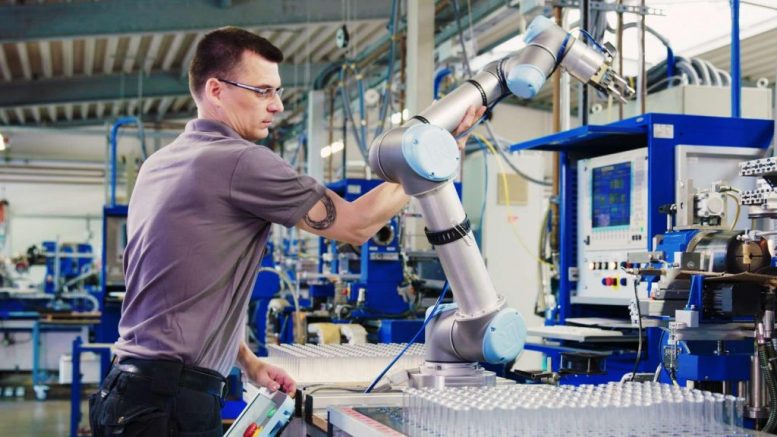
- Advanced Manufacturing & Industry 4.0: Guiding manufacturers as they adopt robotics, automation, machine data analytics, and digital transformation tools.
- Quality and Certification Support: Assisting companies seeking ISO 9001, AS9100 for aerospace, IATF 16949 for automotive, and other industry-specific certifications that are essential for winning new business.
- Cybersecurity Compliance: Helping Department of Defense suppliers navigate requirements such as NIST 800-171 and prepare for CMMC certification.
- Supply Chain Optimization: Strengthening suppliers, reducing vulnerabilities, and building resiliency within the state’s manufacturing ecosystem.
The impact is substantial. Each year, SCMEP clients report millions in new sales, cost savings, and investments that directly translate into job growth and economic momentum for communities across the state. Many small manufacturers credit SCMEP with helping them survive economic downturns, meet the demands of new global customers, or adopt technologies that would have otherwise been out of reach.
A Network That Quietly Keeps America Competitive
As the manufacturing sector faces challenges ranging from aging workforces to global competition and rapid technological disruption, the MEP National Network—along with state partners like SCMEP—remains an essential pillar for U.S. competitiveness. Their work doesn’t grab national headlines, but its impact is felt in every corner of the country: in stronger supply chains, resilient local economies, and thousands of small manufacturers that continue to grow, innovate, and keep America’s industrial engine running.
In an era when the future of manufacturing is being reshaped in real time, MEPs ensure that the nation’s small and mid-sized manufacturers are not left behind—but positioned for the opportunities ahead.
Be the first to comment on "AMERICA’S MANUFACTURING LIFELINE"