


Jumpstart Vision: Transforming Lives Through Manufacturing Careers
South Carolina manufacturers face a mathematical crisis that threatens billions in economic output: the U.S. Chamber of Commerce reports the state has only 90 available workers for every 100 open jobs, creating a workforce deficit that forces companies to turn away contracts and limit growth. While the worker shortage impacts industries statewide, manufacturing—which contributes $206 billion annually to South Carolina’s economy—faces particularly acute pressure as automotive, aerospace, and advanced materials sectors expand operations faster than traditional recruitment can supply talent.
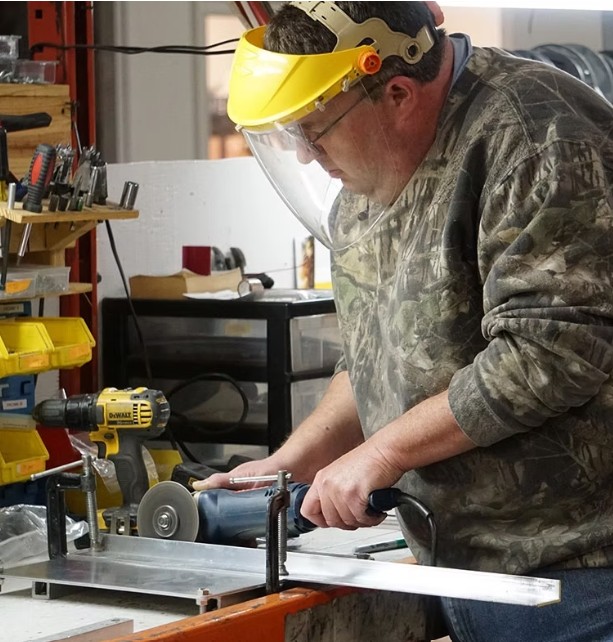 This workforce mathematics becomes more complex when examining regional dynamics. Construction alone requires 439,000 net-new workers nationwide in 2025, climbing to 499,000 in 2026. Manufacturing growth in South Carolina stands at 25.6 percent from 2010 to 2023, vastly outpacing the national increase of just 11.1 percent during the same period.
Auto manufacturing jobs specifically have surged 63 percent over the past decade, rising from 23,207 jobs in 2013 to 37,838 in 2023 as companies like BMW, Mercedes-Benz, Volvo, and Honda continue expanding South Carolina operations.
Against this backdrop of relentless demand and constrained supply, an unconventional solution is gaining traction: structured prison reentry programs that transform formerly incarcerated individuals into skilled manufacturing employees. Organizations like Jumpstart Vision are demonstrating that addressing workforce shortages doesn’t require choosing between economic pragmatism and social responsibility—the most effective solutions accomplish both simultaneously.
The Hidden Cost of Empty Manufacturing Positions
The immediate impact of unfilled manufacturing positions extends far beyond lost production capacity. South Carolina manufacturers experiencing workforce shortages report turning away profitable contracts, delaying facility expansions, and imposing mandatory overtime that drives employee burnout and turnover. The economic multiplier effect amplifies these losses: manufacturing generates $1.76 in total economic activity for every dollar of direct output, meaning each unfilled position cascades through supplier networks and community services.
Labor market data reveals the challenge’s scope and urgency. South Carolina’s 4.3 percent unemployment rate represents near-full employment, leaving minimal untapped traditional workforce capacity. Employers face 123,000 job openings with only 110,750 unemployed workers available, with particularly acute shortages in healthcare, technology, and manufacturing sectors. Demographics compound the problem as approximately 25 percent of current manufacturing workers are over 55 years old and approaching retirement.
Traditional recruitment strategies prove increasingly ineffective as competition for qualified candidates intensifies. Companies offering competitive wages—South Carolina manufacturing wages have caught up to and surpassed several states with deep-rooted manufacturing industries, including Michigan—still struggle filling positions requiring technical skills, reliability, and commitment to shift work. The construction industry reports that its median worker age of 42 is trending younger, but the influx of inexperienced workers creates safety concerns and training burdens that strain operations.
The state’s incarceration system releases approximately 6,000 individuals annually who need employment to successfully reintegrate into communities. South Carolina has achieved one of the nation’s lowest recidivism rates at approximately 19 to 21 percent—down from 33 percent a decade ago—through comprehensive reentry programming that emphasizes job training, housing assistance, and ongoing support services. This creates an unusual alignment: manufacturers need workers while thousands of motivated individuals seek second-chance employment opportunities.
Beyond Second Chances: The Economic Case for Reentry Hiring
The business rationale for hiring individuals completing structured reentry programs extends beyond altruism to measurable operational advantages. Participants in programs like Jumpstart Vision demonstrate retention rates dramatically higher than general population new hires, with the organization reporting a 96 percent success rate among its 2,100 graduates. This retention advantage stems from multiple factors: participants understand the scarcity of second-chance opportunities, programs instill workplace discipline and accountability before employment begins, and ongoing support systems address personal challenges that might otherwise derail employment.
Cost considerations favor reentry hiring from both business and taxpayer perspectives. South Carolina’s annual total cost per inmate was $32,247 in fiscal year 2021-22, with state funding covering $30,044 per inmate. When individuals successfully transition to employment rather than cycling back through the criminal justice system, taxpayers save substantial incarceration costs while gaining productive workers who pay taxes and contribute to economic growth. Jumpstart Vision’s success in keeping formerly incarcerated individuals working and free demonstrates the program’s economic impact, saving South Carolina more than $7 million annually in avoided incarceration costs while delivering skilled employees to manufacturers desperate for reliable workers.
The Work Opportunity Tax Credit program provides additional financial incentives for employers hiring returning citizens. South Carolina Department of Corrections enrolls eligible inmates in the program before release, providing conditional certification that qualifies employers for federal tax credits. These credits, combined with the reliability advantages of thoroughly vetted program graduates, create compelling economic arguments independent of social impact considerations.
Manufacturing companies that implement reentry hiring report unexpected operational benefits beyond filling vacancies. Spartanburg’s Custom Forest Products, which employs Jumpstart graduates, describes improved business culture as these employees bring changed attitudes and positive leadership to workplaces. The gratitude and work ethic characteristic of second-chance employees can positively influence broader organizational culture, raising performance expectations and modeling commitment that benefits entire teams.
How Structured Programs Prepare Manufacturing-Ready Employees
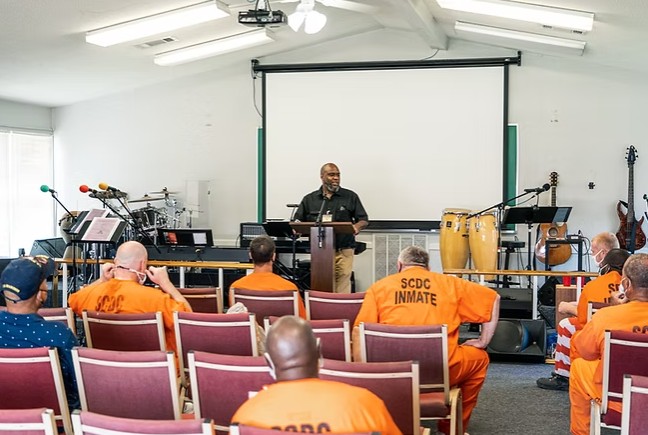
The distinction between simply hiring formerly incarcerated individuals and partnering with structured reentry programs proves critical for manufacturing employers. Organizations like Jumpstart Vision invest substantial resources preparing participants for specific workplace demands that manufacturing environments require. This preparation begins inside correctional facilities through 360-degree approaches combining Christian discipleship, mentoring, job training, and life skills development that address the behavioral patterns and thinking that originally led to incarceration.
The inside-prison component establishes foundations: accountability, schedule adherence, conflict resolution, and understanding workplace expectations that many participants never encountered in previous employment. Curriculum covers practical skills including financial literacy, communication strategies, and understanding hierarchical organizational structures common in manufacturing. Participants learn that reliable attendance, following safety protocols, and responding appropriately to supervision aren’t optional courtesies but essential job requirements.
The transition to community-based programming provides the most critical support period. Jumpstart provides transitional housing that eliminates the housing instability that derails many reentry attempts. Stable housing enables consistent work attendance while participants save money for independent living. Case managers provide ongoing support addressing challenges before they escalate to crises: transportation breakdowns, family conflicts, financial emergencies, or workplace misunderstandings that might cause less-supported individuals to miss work or quit.
Employment preparation extends beyond generic job readiness to manufacturing-specific skills. Welding certification programs, forklift operation training, quality control fundamentals, and safety protocols prepare participants for immediate contribution rather than requiring employers to provide extensive remedial training. Technical skills combined with soft skills create employees who understand both how to perform job tasks and how to function effectively in structured workplace environments.
Addressing HR Concerns and Overcoming Institutional Hesitation
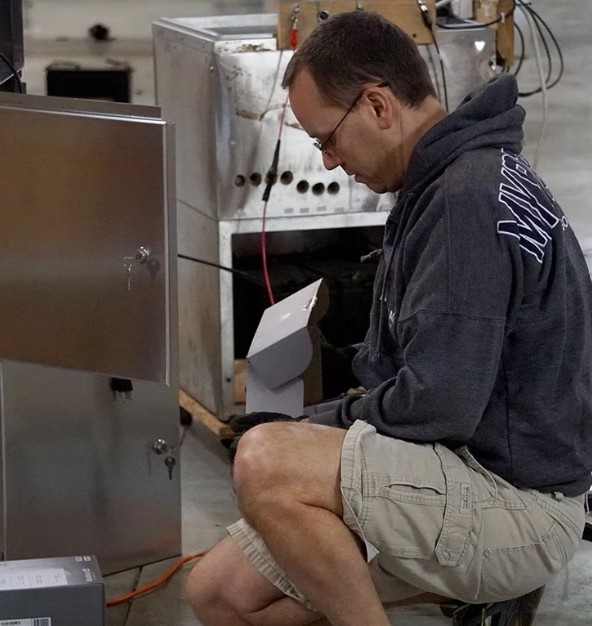 Human resources departments naturally express reservations about reentry hiring, raising legitimate concerns about liability, workplace safety, and potential conflicts with existing employees. These concerns require direct address rather than dismissal. Jumpstart Vision and similar organizations provide comprehensive HR training that educates staff about program structure, vetting processes, and ongoing support systems that differentiate program graduates from independent job seekers with criminal backgrounds.
The vetting process itself provides assurance many employers don’t realize. Program participants undergo extensive screening before acceptance, eliminating individuals who haven’t demonstrated genuine commitment to change. Graduation from programs lasting six months to two years provides evidence of sustained behavioral change that criminal background checks alone cannot reveal. Ongoing case management means employers have resources for addressing concerns before they become problems—program staff can intervene in conflicts, provide coaching around workplace expectations, or address personal challenges affecting job performance.
Legal liability concerns deserve factual information rather than assumptions. Employers hiring through legitimate second-chance programs assume no greater liability than hiring any employee, provided they follow reasonable hiring practices and don’t place individuals in positions prohibited by their specific offense histories. Understanding which offenses create legitimate concerns for specific roles—for instance, financial crimes and accounting positions—allows risk-appropriate placement rather than blanket exclusions.
Successful integration requires preparing existing workforces for new colleagues with criminal histories. Transparent communication that explains program rigor, individual vetting, and ongoing support helps establish realistic expectations. Many companies find that existing employees respond positively when understanding that program graduates have overcome substantial obstacles and bring genuine appreciation for employment opportunities. Some organizations leverage reentry hiring as broader diversity and inclusion demonstrations, showing commitment to providing opportunities based on current capabilities rather than past mistakes.
Implementation: Getting Started with Reentry Partnerships
Manufacturers interested in exploring reentry hiring should begin with information gathering rather than immediate commitments. Jumpstart Vision provides initial consultations explaining program structure, graduate capabilities, and support services available to employers. These conversations help companies understand what reentry partnerships entail and assess alignment with their specific workforce needs and organizational culture.
Starting small allows companies to gain experience before scaling reentry hiring. Placing one or two program graduates in entry-level positions provides direct observation of both employee performance and any implementation challenges. Success with initial placements builds organizational confidence and demonstrates viability to skeptical stakeholders. Early adopters often become program advocates once experiencing the reliability and work ethic that thoroughly prepared graduates bring to positions.
Position selection matters significantly for initial success. Entry-level manufacturing roles with clear expectations, structured processes, and opportunities for skill development represent ideal starting points. Positions offering advancement pathways provide long-term motivation while demonstrating to participants that sustained good performance creates career progression rather than dead-end employment. Companies should avoid placing reentry hires in isolated positions lacking regular supervision or peer interaction, as integration and relationship building contribute to retention.
Ongoing partnership with reentry organizations provides support infrastructure crucial for sustained success. Case managers serve as resources for both employers and employees, addressing concerns from either party before they escalate. Regular check-ins during initial employment periods help identify and resolve adjustment challenges. This support gradually reduces as employees establish track records, but remains available if circumstances change.
Jumpstart Vision: Your Manufacturing Workforce Partner
Jumpstart Vision specializes in transforming lives while solving South Carolina’s manufacturing workforce crisis. Our comprehensive 360-degree approach combines Christian discipleship, job training, transitional housing, and ongoing support services that prepare program participants for immediate contribution in manufacturing environments.
Our Services Include:
- Manufacturing-Focused Job Training – Technical skills development in welding, machining, quality control, and other high-demand manufacturing competencies
- Employer Partnership Support – HR training, ongoing case management, and resources that ensure successful integration of program graduates into your workforce
- Comprehensive Vetting – Rigorous screening and evaluation ensuring only individuals demonstrating genuine commitment to change graduate from our program
Ready to Build Your Manufacturing Workforce? Visit Jumpstart Vision to learn how our proven program can address your workforce needs while transforming lives and strengthening South Carolina communities. Contact us today!
Works Cited
Melhorn, Stephanie Ferguson. “Understanding America’s Labor Shortage: The Most Impacted States.” U.S. Chamber of Commerce, 13 Dec. 2024, www.uschamber.com/workforce/the-states-suffering-most-from-the-labor-shortage. Accessed 27 Oct. 2025.
“Manufacturers Alliances in South Carolina: Driving Growth.” MT Series Southeast, southeast.mtseries.com/news/manufacturers-alliance-South-Carolina/. Accessed 27 Oct. 2025.
“S.C. Training Program Aims to Keep Inmates on Straight Path.” WCSC Live 5 News, 11 Feb. 2025, www.wrdw.com/2025/02/11/sc-training-program-hopes-keep-inmates-straight-path/. Accessed 27 Oct. 2025.
“South Carolina Revenue and Fiscal Affairs Office Fiscal Impact Statement.” South Carolina Legislature, www.scstatehouse.gov/sess125_2023-2024/fiscalimpactstatements/S0638%202023-03-15%20introduced.pdf. Accessed 27 Oct. 2025.
“The State of Working South Carolina.” Economic Policy Institute, 24 Mar. 2025, www.epi.org/publication/state-of-working-south-carolina/. Accessed 27 Oct. 2025.
Wilkerson, Brandon. “What a Difference Two Decades Makes: 2025 Update on South Carolina Manufacturing Wages.” South Carolina Department of Employment and Workforce, May 2025, www.dew.sc.gov/labor-market-information-blog/2025-05/what-difference-two-decades-makes-2025-update-south-carolina. Accessed 27 Oct. 2025.
About the Author
Jim Toppe is the founder of Toppe Consulting, a digital marketing agency specializing in law firms. He holds a Master of Science in Management from Clemson University and teaches Business Law and Marketing at Greenville Technical College. Jim also serves as our publisher and editor of South Carolina Manufacturing, the digital magazine. His unique background combines legal knowledge with digital marketing expertise to help attorneys grow their practices through compliant, results-driven strategies.
